
Let’s talk about the silent performance killer that’s ruined more productions than bad casting: fabric selection. I’ve seen more costume disasters from material mishaps than from Shakespearean actors forgetting their lines.
Polyester isn’t the villain everyone makes it out to be – unless it’s touching skin. Then it becomes fabric treason. Natural fibers have their place, but sometimes manmade materials are the unsung heroes of the stage.
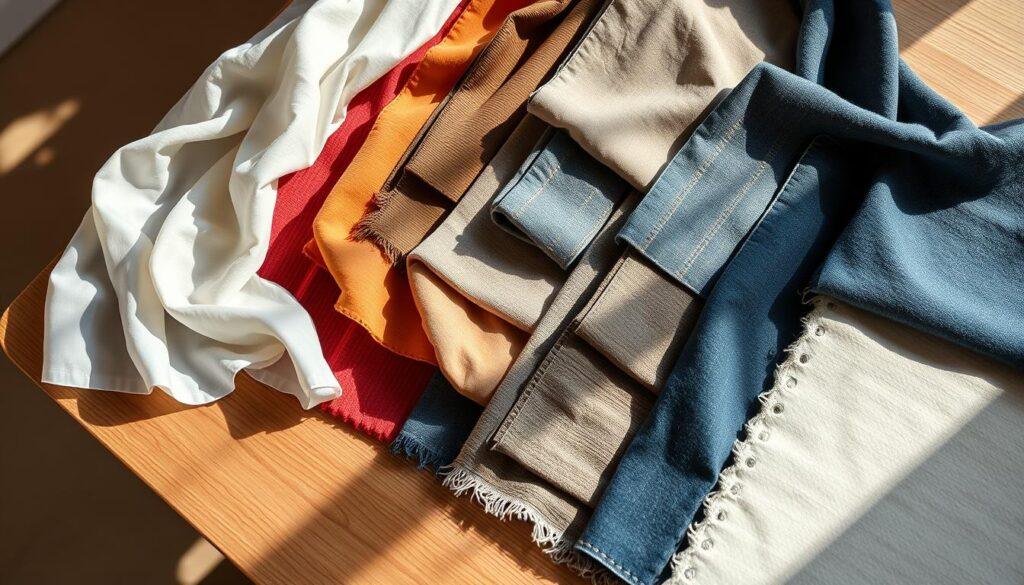
Charlotte French taught me rayon’s breathability versus cotton’s limitations. Sometimes washing burlap creates that perfect Sancho Panza aesthetic. Felt can become faux leather with strategic varnish work.
Faille remains the secret weapon for 19th century elegance. Think of this as Fabric 101 with a side of sarcasm – because nothing says “amateur” like an actor sweating through polyester in a tragedy.
Matching Fabric to Design
Choosing the right costume fabrics is key to success on stage. It’s not just about looks; it’s about withstanding the harsh lights. The right fabric and design must have chemistry and be able to handle the spotlight.
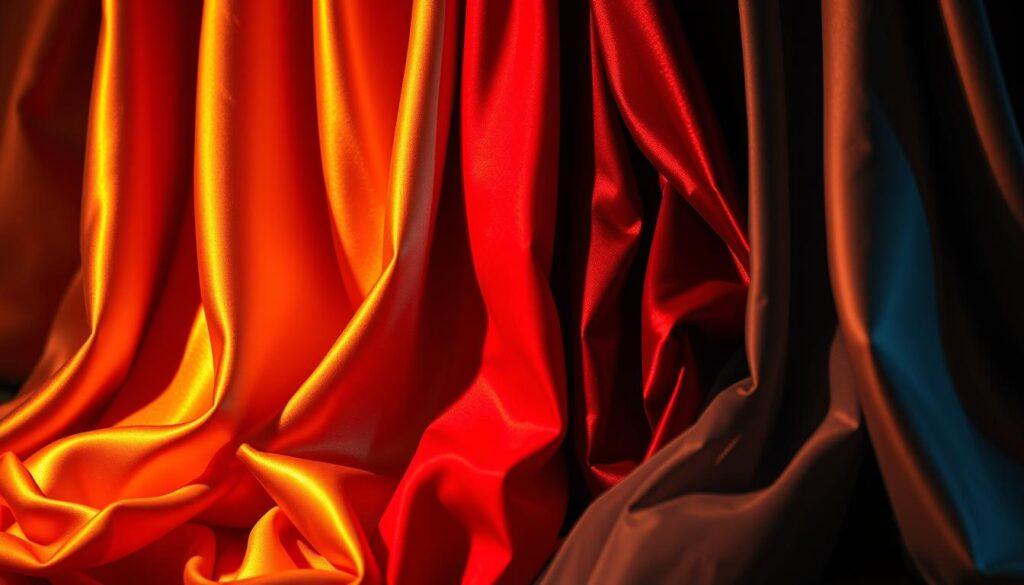
Stage lights can change colors dramatically. That lovely pastel pink might look like diluted tomato soup under certain lights. I learned this the hard way with a princess costume that turned into a walking bruise.
“The right fabric under the right light creates magic. The wrong combination creates costume mutiny.”
Always send fabric swatches to your lighting designer. This step can prevent many disasters. Performers might have strong color preferences, but their opinions should be balanced with practicality.
Fabric Recommendations by Costume Type
| Costume Type | Recommended Fabrics | Lighting Considerations | Performer Comfort |
|---|---|---|---|
| Superhero/Superheroine | Four-way stretch spandex, metallic blends | Handles intense lighting well | High mobility, moisture-wicking |
| Historical/Period | Velvet, brocade, silk dupioni | Rich colors deepen under lights | Varies by weight and structure |
| Fantasy/Cosplay | Faux leather, stretch satin, specialty meshes | Some metallics reflect too much | Balance between look and wearability |
| Dance/Performance | Stretch velvet, chiffon, performance knits | Translucent layers create depth | Maximum movement, breathability |
Cosplay fans know the importance of durable fabrics. They must look great on camera and feel comfortable for long hours. The best cosplay fabrics are authentic and comfortable.
Color psychology is vital in costume design. That “unflattering” orange might actually make your performer stand out. Actors often fight against certain colors, only to find they become synonymous with their character’s success.
Lighting designers are your allies, not enemies. Work with them early to ensure your fabrics look great under lights. It’s better to have a slightly different shade that works under lights than the perfect color that fails on stage.
The right costume fabrics tell a story before the actor speaks. They suggest character traits and withstand harsh stage lights. Choose wisely—your design’s success depends on it.
Durability Considerations
Let’s face it: most costumes have more drama backstage than a reality TV show. Your textile choices decide if your costume makes it through opening night or not.
Cleanability is key, even if it’s not the most exciting part of costume design. Actors sweat, change clothes fast, and sometimes, pizza gets involved. You need fabrics that can handle more than just looking good.
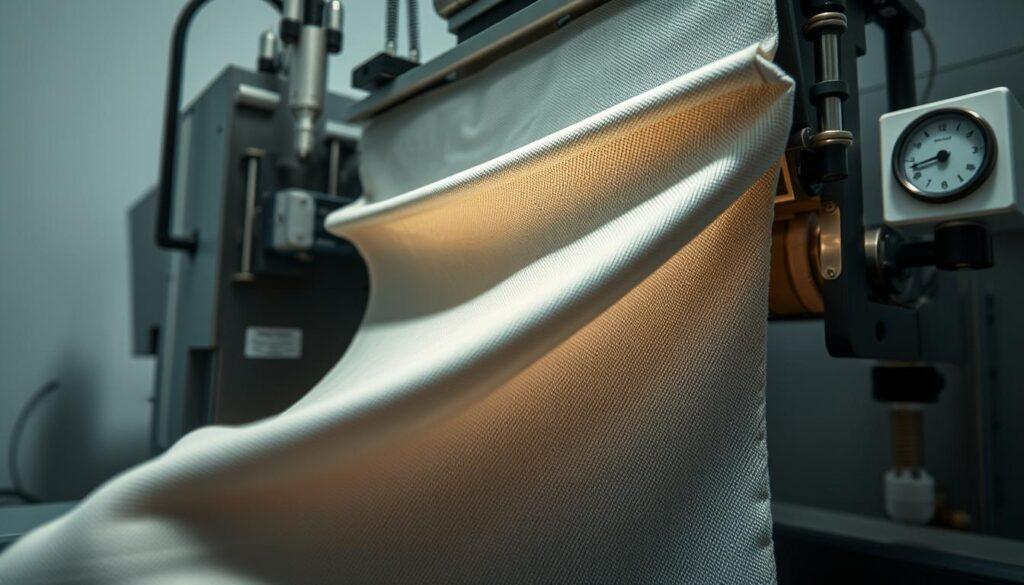
Polyester doesn’t wrinkle, which is impressive. But wool feels luxurious but costs a lot, which might hurt your budget.
Spandex stretches a lot, but sewing it is hard. Silk is expensive, but it can be worth it for a look that lasts.
Knowing about fabric durability measurements helps you choose better. It’s the difference between a costume that lasts and one that falls apart quickly.
| Fabric Type | Durability Score | Maintenance Level | Cost Factor |
|---|---|---|---|
| Polyester | High | Low | Budget-friendly |
| Wool | Medium-High | High | Premium |
| Spandex | Medium | Medium | Moderate |
| Silk | Low-Medium | High | Luxury |
The right fabrics balance looks and practicality. Your costume should look great and last the performance without looking like it’s been through a disaster.
Think about your actor’s movements, the stage, and how easy it is to clean. These things decide if your costume is a hit or a miss.
Tips for Beginners
Welcome to Fabric 101 for beginners. This guide is your survival kit for the textile world. It helps you avoid losing your mind or spending too much money.
First rule: be flexible. It’s key in fabric selection. That fancy silk might break the bank. But the cotton blend on sale? That’s your new best friend.
Sales hunting is an art. Approach fabric sales like Black Friday. It’s strategic, ruthless, and satisfying. I’ve found amazing deals on quality materials that are a steal.
Knowing your fabrics is important. Spotting quality cotton blends at low prices is a win. Stock up for future projects. Your future self will be grateful when deadlines come.
Local fabric stores are great for small projects. They’re less overwhelming than big warehouses. You can feel the materials without getting lost.
Make the most of what you have. Can’t afford your dream fabric? Use cheaper alternatives. Some of my best designs came from being budget-friendly.
| Fabric Type | Beginner-Friendly Score | Budget Range | Design Flexibility |
|---|---|---|---|
| Cotton Blend | 9/10 | $5-15/yard | High |
| Polyester | 8/10 | $4-12/yard | Medium-High |
| Muslin | 10/10 | $3-8/yard | Medium |
| Broadcloth | 9/10 | $6-14/yard | High |
Focus on learning, not perfection. Your first project won’t be perfect. But that’s okay. Learn about different fabrics instead of making masterpiece costumes.
Even Oscar-winning designers started small. Your fabric selection journey starts with simple choices. It grows as you gain experience. Now, go conquer that fabric store like the design superstar you’re becoming.
Expert Recommendations
At the graduate level of costume design, choosing fabrics is more about magic than rules. Charlotte French sees fabric selection as a mix of art and science. She uses Mood Fabrics’ premium cosplay collection, which looks different under stage lights than it does in your sewing room.
Seeing fabric as raw material, not just a cover, is key. I’ve seen experts turn cheap felt into medieval armor with just heat, paint, and boldness. The right fabric can make a costume look amazing, like silk that flows like water or polyester that looks like old wool.
Advanced costume design is like mixing tracks in a DJ set. You layer materials, like stiff interfacing with flowing chiffon, or metallic vinyl with burlap. The best fabrics often surprise you, like that special remnant you find.
Working with fabrics should be a dialogue, not just a buy-and-sell deal. The material will tell you what it wants to be if you listen. This is when amateur work turns into true artistry.