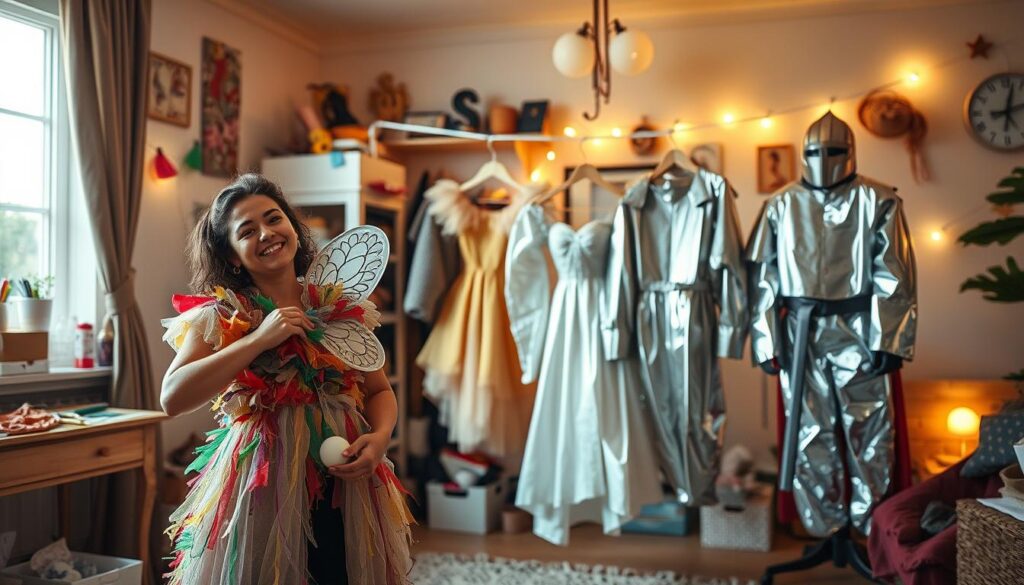

When we think of costume design, we often picture lots of glitter and synthetic fabrics. This makes Mother Nature cringe. The truth is, the costume industry has been helping fast fashion harm the environment.
I’ve seen too many polyester costumes to ignore the need for change. There are amazing alternatives like pineapple leather and squid proteins. These materials are as impressive as they sound.
We’re on the verge of a costuming revolution. It’s one where looking stylish doesn’t mean harming the planet. The ancient Egyptians used linen, which is far better than synthetic fabrics.
This shift isn’t just about being trendy. It’s about choosing eco-friendly fabrics that are good for our planet and our consciences. The future of costuming is smart, stylish, and sustainable.
Top Eco-friendly Fabrics
Welcome to the sustainable textiles buffet, where every choice is good for the planet. No guilt here. Let’s explore the materials that are changing fashion’s ways.
First, there’s Piñatex. It turns pineapple waste into a leather alternative. It’s a clever way to reduce leather’s environmental impact.
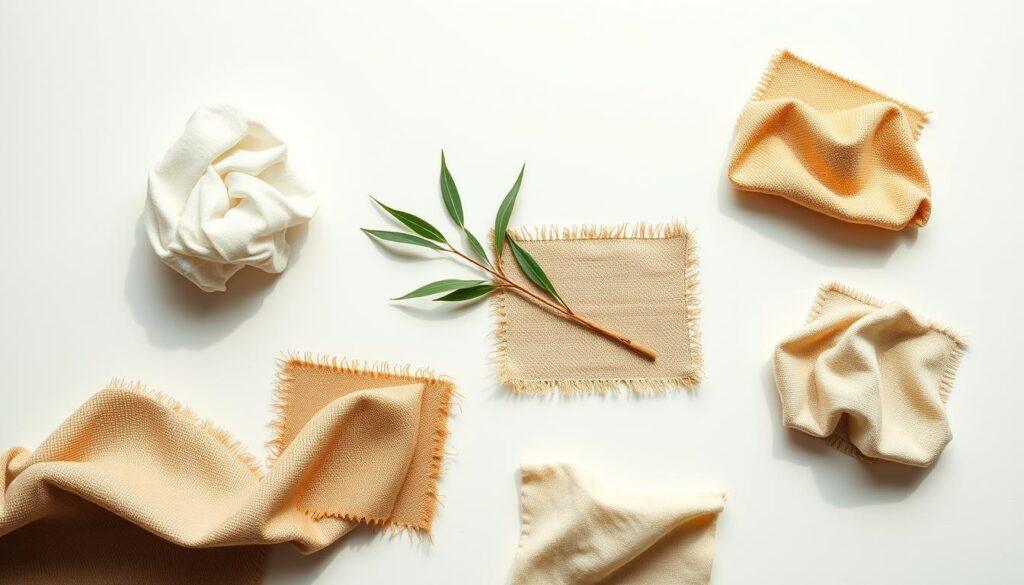
Next, we have squid protein fabrics. They use proteins from squid to create self-healing textiles. It’s like giving your clothes Wolverine’s healing powers.
Wool is making a comeback. Despite some ethical issues, its natural properties make it a sustainable choice. It’s like that friend who’s sometimes annoying but always reliable.
Linen is another ancient fabric making a comeback. It’s known for keeping people cool and uses less water. It might be the future of sustainable fashion.
The Better Cotton Initiative is helping cotton become more sustainable. Unlike regular cotton, BCI cotton uses less water. It’s like choosing a mindful option.
Don’t forget Lyocell, hemp, and bamboo. They show that sustainable fashion can be stylish and effective.
| Fabric | Eco-advantage | Best Use | Water Savings |
|---|---|---|---|
| Piñatex | Waste utilization | Accessories | 80% less than leather |
| Organic Wool | Biodegradable | Winter wear | Natural rainfall |
| Linen | Low water needs | Summer costumes | 60% less than cotton |
| BCI Cotton | Reduced pesticides | Versatile applications | 20% less water |
| Lyocell | Closed-loop production | Draping garments | 50% less than cotton |
Choosing these materials is more than just being eco-friendly. It’s a way to make a statement with your clothes. As sustainable fashion experts note, every fabric choice matters.
The real magic happens when creativity meets conscience. These textiles show that amazing costumes can be kind to the Earth.
How to Source Sustainable Materials
Forget searching for an eco-friendly boutique. Sourcing sustainable materials is like being a detective with a science background. It’s about having the right mindset, not finding the perfect store.
Second-hand shops are like treasure chests when you see them as fashion archaeologists. Your grandma’s old curtains might be the next big thing in costume design. Vintage and thrift stores offer unique materials with history and character.
Natural dyeing turns kitchen waste into beautiful fabric. Using onion skins, avocado pits, and rose petals creates amazing colors and cuts down on waste. It’s like cooking for fabric, but you won’t burn dinner.
Zero-waste pattern cutting is the ultimate sustainability challenge. Every piece of fabric counts, and every cut is precise. This method changes how we design and reduces waste.
Costume rental services are like Netflix for costumes. Why buy when you can rent? They help clothes last longer and save the planet by reducing production waste.
Material exchanges create a circular economy in creative communities. One artist’s leftovers become another’s masterpiece. These networks cut down on waste and build strong relationships.
“Sustainable sourcing isn’t about perfection – it’s about making better choices every time you get materials.”
Working with real sustainability experts is key. They help you spot true eco-friendly options from greenwashing. They’re your green choices fact-checkers.
Building strong relationships with suppliers who really care about sustainability is vital. These partnerships ensure your choices match real environmental values, not just marketing claims.
Every sustainable choice you make has a big impact. It reduces water use and landfill waste. Your decisions affect more than just your costume.
Cost vs. Quality
Let’s clear up the greenwashing fog. Sustainable costuming does come with a higher price. But think of it as an investment in your creative freedom.
Fast fashion might seem cheaper at first. But it limits your creativity and falls apart quickly. Eco-friendly fabrics offer a better value in the long run.
Modular construction is a game-changer. It lets you transform costume pieces into new looks. A Victorian collar can turn into a futuristic piece, for example.
Traditional sustainable methods take more time. Natural dyeing and hand-weaving are not just slower. They preserve craftsmanship that mass production ignores.
Here are some long-term benefits:
- Durability for many productions and cast changes
- Adaptability for new interpretations
- Less environmental impact
- Support for artisans and traditional skills
It’s not just about the cost of materials. It’s about the value of using them wisely. A pirate coat can become a dystopian cape, making the initial cost worthwhile.
Quality in costuming is more than just material. It’s about lasting creativity, caring for the planet, and keeping traditions alive. The best eco-friendly fabrics are partners in your story.
This isn’t a choice between cost and quality. It’s realizing that true quality saves money. The most expensive costume is one you can only wear once.
Real-life Cases of Sustainable Costuming
Forget theory. Carl Gabriel, known as “The Wireman,” crafts stunning pieces using wire and papier-mâché. His work proves that sustainable textiles can be both beautiful and durable.
Rhian Kempadoo Millar blends eco-friendly fabrics with traditional techniques. Her designs are a masterclass in merging heritage with modern sustainability.
The Handmade Parade team uses willow for structures that honor ancient traditions. Earth Angel’s textile recycling programs turn waste into wearable art.
Productions have transformed curtain linings into regal gowns. Food waste becomes vibrant dyes. These examples show sustainable costuming isn’t a compromise—it’s an upgrade.
It’s about creativity with a conscience. Sustainable textiles offer a path to lower environmental impact without sacrificing style. The future of costuming is here, and it’s green.